
Last updated August 26, 2026
Free on-site gate assessment - hinges, posts, and your LiftMaster or Nice gate operator checked before anything is quoted
The assessment is free and the quote is the invoice.
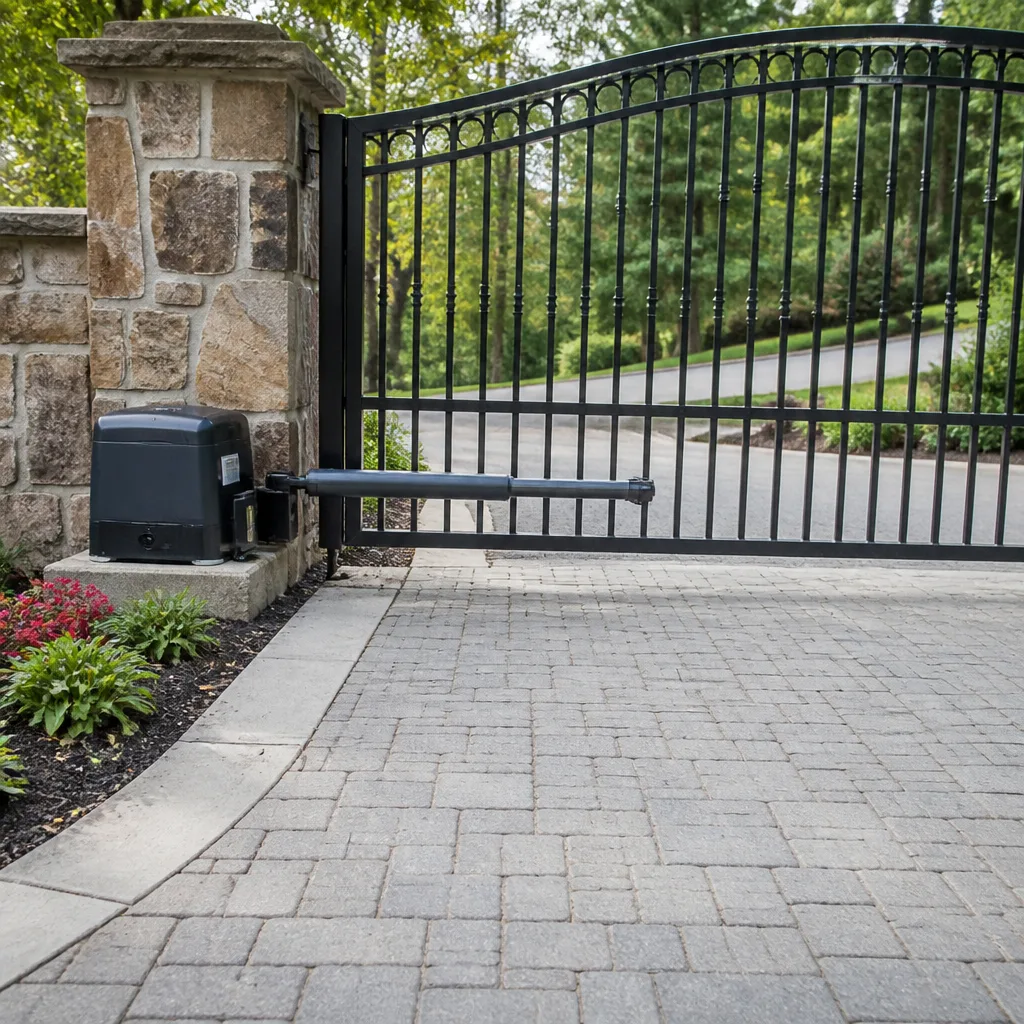
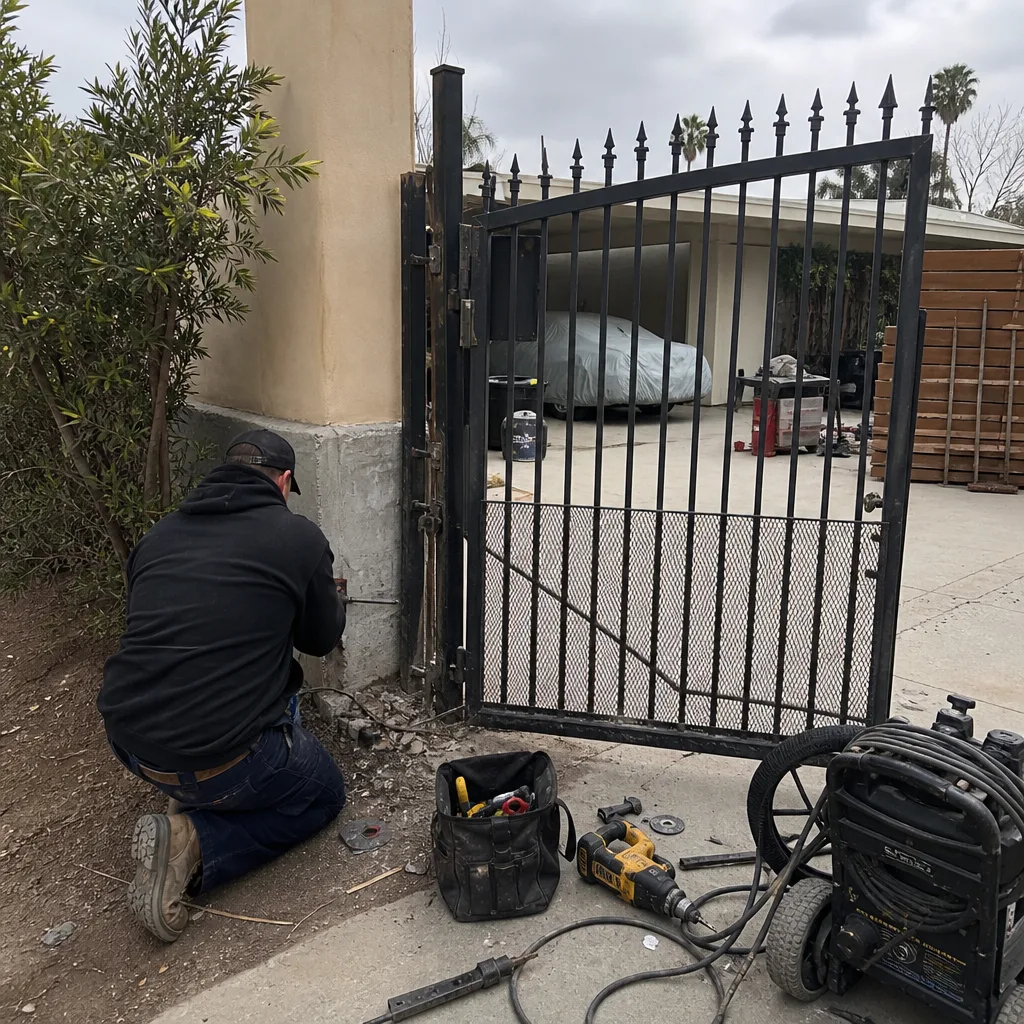 Before
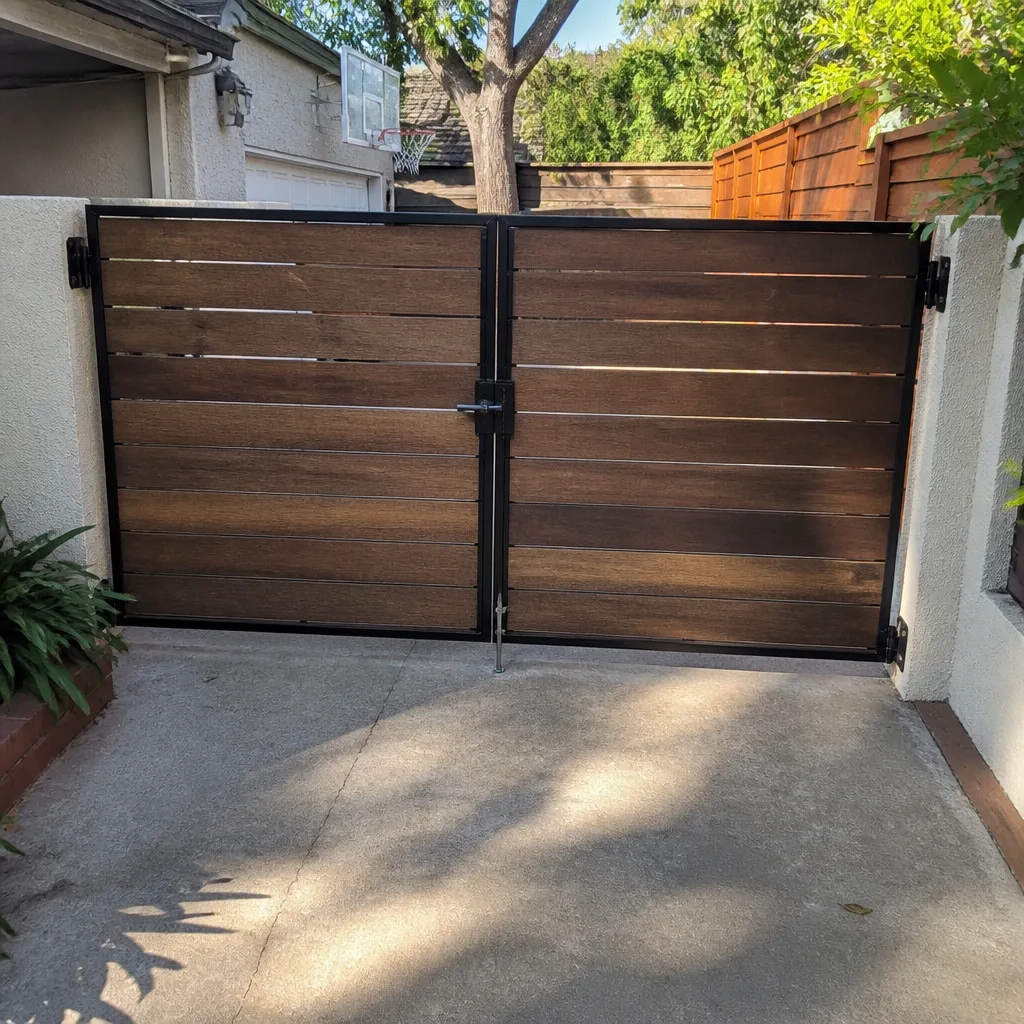 After
After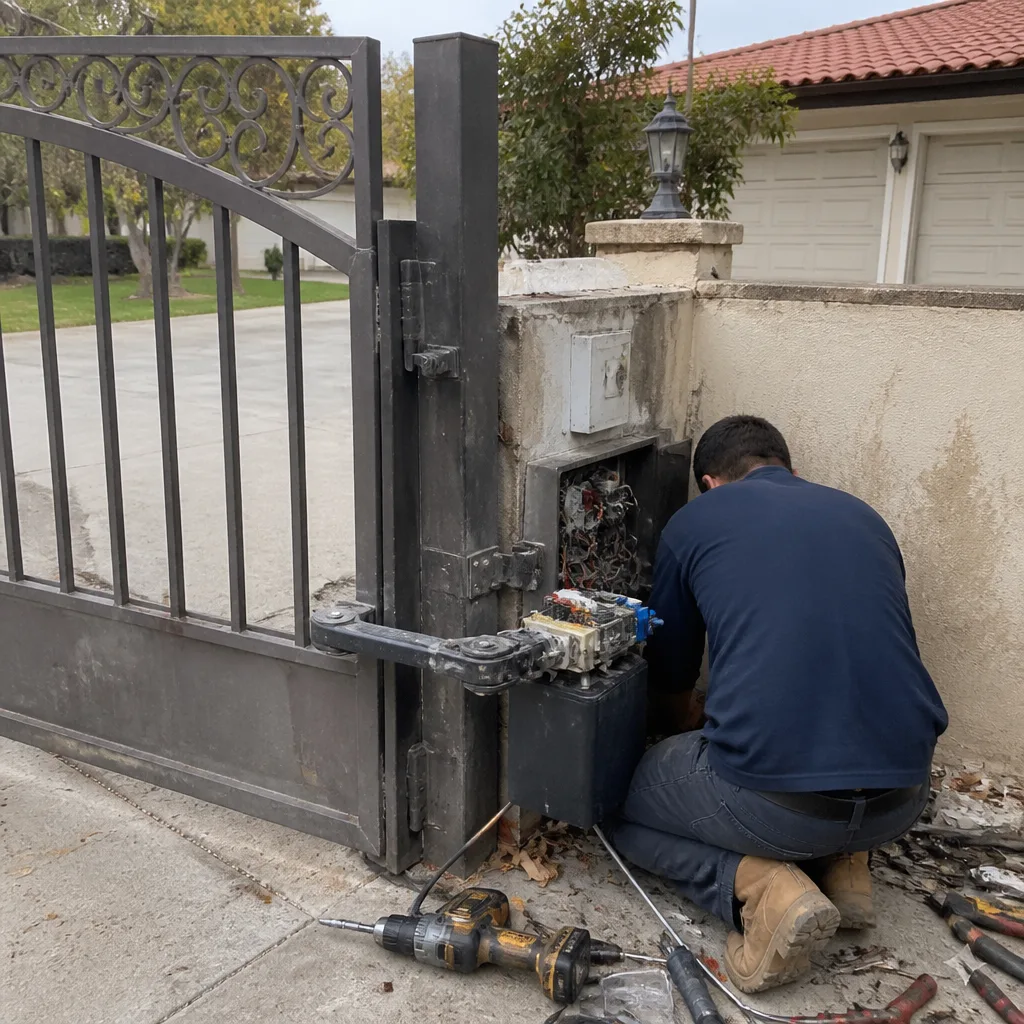 Before
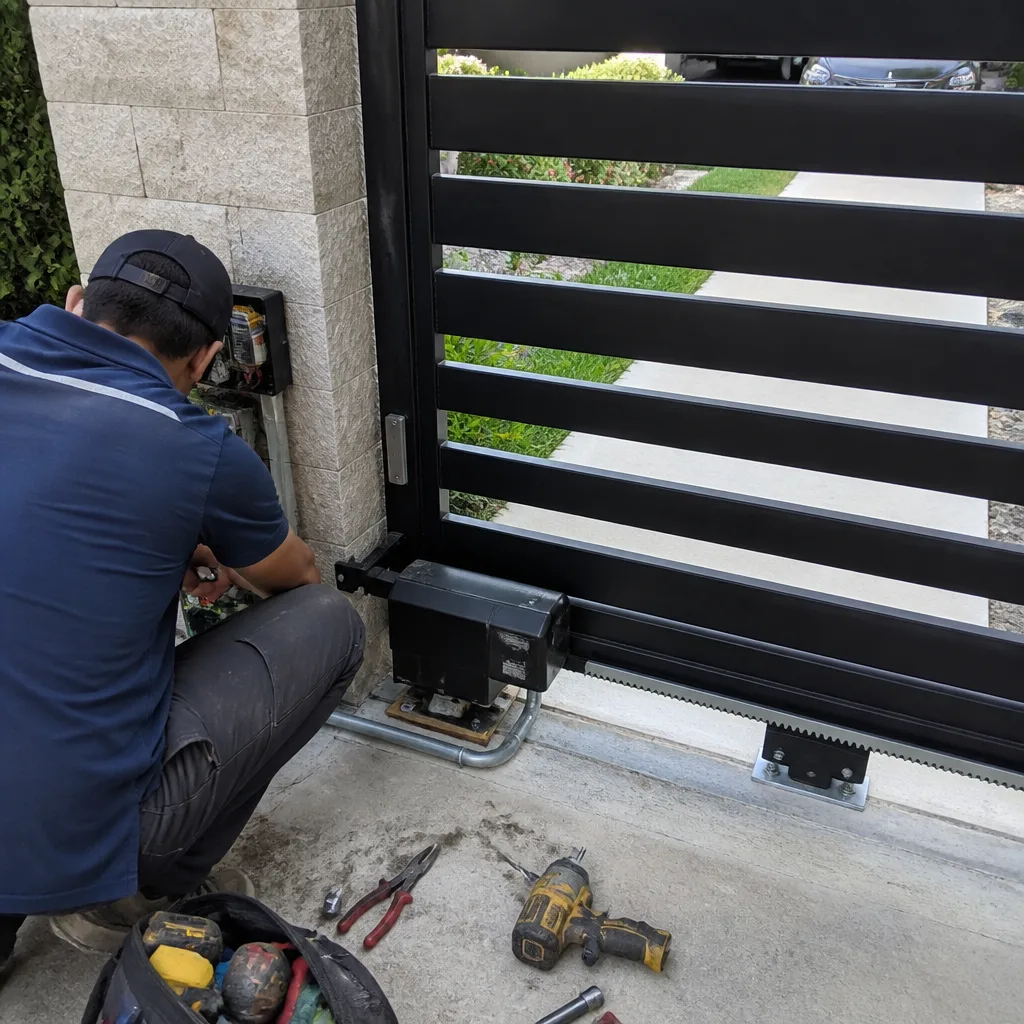 After
After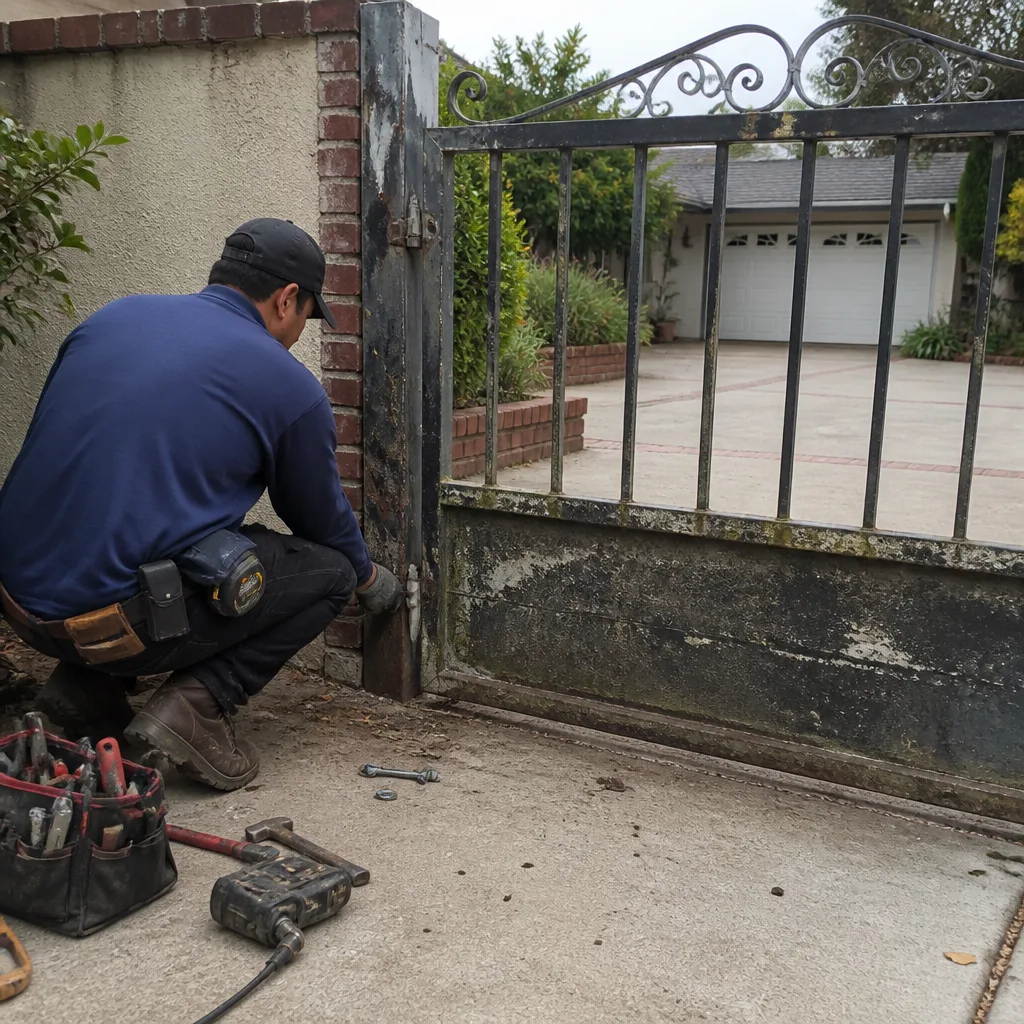 Before
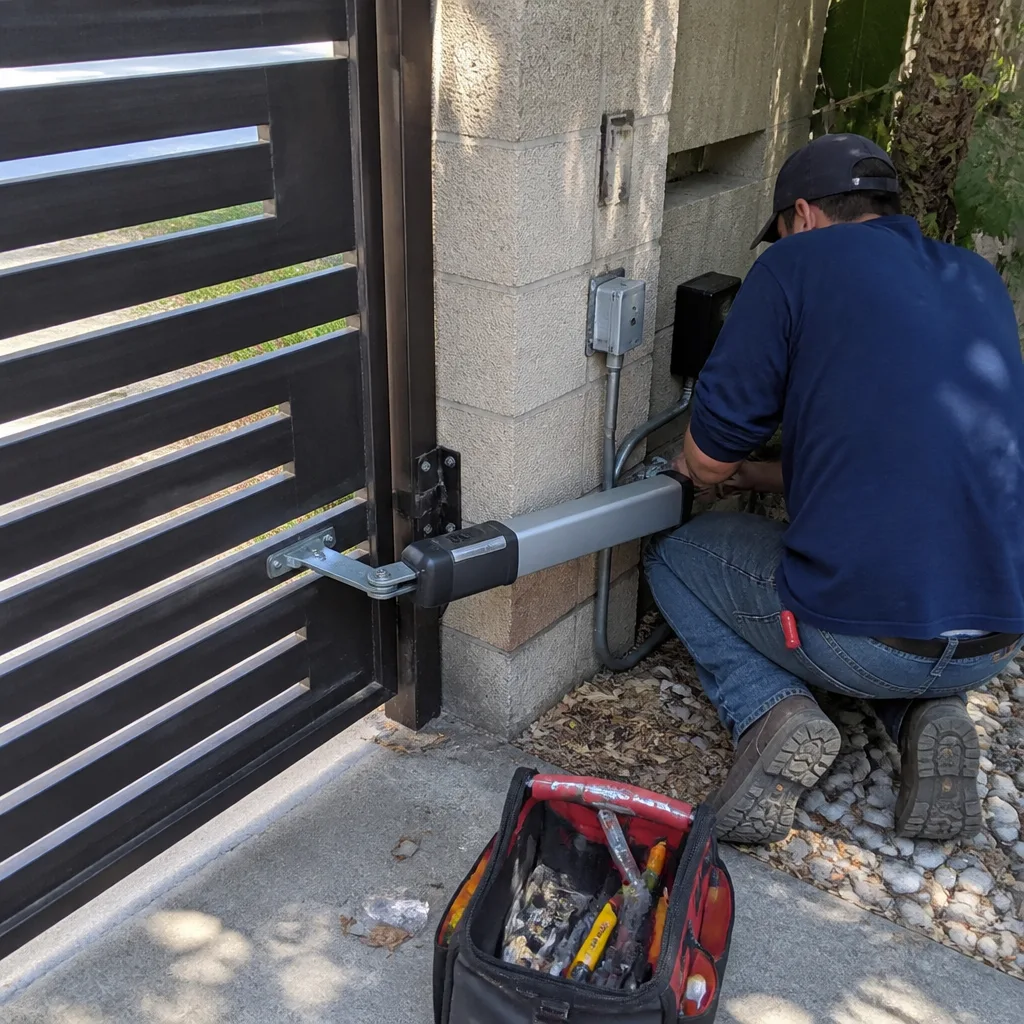 After
AfterGate Repair Maintenance Checklist for Tarzana Homeowners
In more than two decades of fixing gates across Tarzana, the strangest thing I have learned is that most broken gates are not worn out. They were killed by kindness. Somebody grabbed the wrong wrench, gave a hinge bolt one extra half-turn, and six months later the stripped threads let go and a 400-pound gate folds into the driveway. The gate did not fail that morning. It failed the day it was over-tightened. This checklist is built around that truth: knowing what to touch, what to leave alone, and what to photograph before anything goes wrong. For Gate Repair Warning Signs: A Tarzana Homeowner’s Reference Guide, see our companion post. If you own a gate in Tarzana, this is the guide that keeps a $3,500 replacement from becoming a $12,000 one.
Quick Answer
A Tarzana homeowner should check gate hinges and latch alignment monthly, lubricate pivot points quarterly with white lithium grease, inspect weld seams and lag-bolt torque every six months, and have a professional service the opener and safety edges annually. Skip the WD-40, skip the socket-wrench heroics, and document everything with your phone camera. That is the honest version of the job.
Table of Contents
- The Monthly Checklist: Five Minutes That Save a Season
- Quarterly Lubrication: The Right Grease for Tarzana’s Heat
- Welds, Stress Cracks, and What Your Eyes Should Look For
- The Torque Check: Lag Bolts Without a Torque Wrench
- Santa Ana Winds and the Hardware They Attack
- The Phone Camera Log: Why Documentation Is a Repair Tool
- Annual Professional Service: What You Cannot Do Yourself
- Common Mistakes to Avoid
- When to Call a Professional
- Frequently Asked Questions
- The Bottom Line
The Monthly Checklist: Five Minutes That Save a Season
Once a month, stand at your gate with a coffee and actually look at it. Not while you are rushing to the car. Not while you are holding a phone to your ear. Stand there and watch the full swing cycle. That monthly ten-foot stare is the cheapest gate maintenance there is, and almost nobody does it in Tarzana until the gate stops closing.
Here is the five-minute monthly routine we recommend to every homeowner we visit in Tarzana:
- Open and close the gate fully three times. Listen for any change in sound: a new squeak, a knock, a hesitation. If you hear a hiss, that is the opener working harder than it should, and that means something is binding.
- Check the latch and receiver alignment. The bolt should slide in without you lifting or shoving the gate. If the gate has sagged even an eighth of an inch, the latch reveals it before the hinges do.
- Watch the bottom rail clearance. Look at the gap between the gate and the ground on both ends. A difference from one end to the other means the hinge post is moving, which is the earliest warning of a structural problem.
- Rate the gate’s drift. Open the gate halfway and let go. If it rolls forward or backward on its own, something is out of level. That drift pulls on hinges and eventually twists the frame.
- Sweep debris from the track and hinge post base. Tarzana’s dry months leave leaf litter and sandy grit sitting against ground-level hardware. Left there, that grit works into bearings and hinges through every rainy week that follows.
None of these tasks requires a tool, and none takes longer than a minute. But this monthly round is how you catch a sagging hinge post in April instead of discovering a dropped gate on Thanksgiving morning. Fix the panel without the post and you’ll fix it twice.
Quarterly Lubrication: The Right Grease for Tarzana’s Heat
Here is the part where I get blunt, because I have seen the same mistake too many times in Tarzana driveways. The two most common “lubricants” people use on gate hardware are WD-40 and whatever cooking spray is under the sink. Both are solvents. Both strip whatever protection was already there. Within a month, the gate is noisier than before, and the metal-on-metal friction has accelerated the wear you were trying to prevent.
What actually belongs on a gate in Tarzana’s climate, with its dry heat, dust, and seasonal rain:
- Hinges and pivot points: White lithium grease. It is thick enough to survive direct sun, stays put rather than dripping, and does not attract the fine dust that blows across the San Fernando Valley in the fall.
- Chain drives: A chain-specific lubricant or a light motor oil. Not grease. Grease on a chain picks up grit and builds a grinding paste inside the links. Oil penetrates and flushes.
- Rollers and track wheels: A dry silicone spray. Silicone repels dust and does not gum up. It also will not stain concrete when it oversprays, which matters if your gate runs over a colored driveway finish.
- Slide-gate V-track: Nothing but a wiped rag. A clean, dry track is the goal. Grease on a V-track is the fastest way to make a slide gate lurch, because it builds a mud of oil and grit that the wheels then have to bulldoze.
Quarterly means every three months, not “when it starts making noise.” In Tarzana, the worst bearing failures we see happen in November, after a summer of heat-cycled grease and a first rain that turns dust into abrasive paste. If the lube went on in June and you forgot, October is the time to remember.
One more thing: lubrication is not a repair. If a hinge is worn and loose, grease makes it quieter while it continues to sag. Squeaks are the gate asking you for something. Silence is not the same as a fix.
Gate motor and opener service in Tarzana often starts with exactly this kind of quarterly care, because a dry chain is the most common avoidable cause of motor burnout we see.
Welds, Stress Cracks, and What Your Eyes Should Look For
Weld inspection sounds like a job for a guy with a magnifying loupe and a clipboard. It is not. Every Tarzana homeowner can do a meaningful visual weld check with two minutes and decent light. What you are looking for is fatigue cracking: hairline fissures that start small, spread slowly, and let go suddenly.
A weld should look like a smooth, even line of ripples, like a zipper that someone stitched neatly along the joint. What you are looking for is anything that breaks that line:
- Rust blooms inside the weld seam. Even powder-coated gates get micro-gaps at weld toes. When water sits in those gaps, it rusts from the inside. A brown stain running along a weld is the first visible sign the joint is failing.
- Any line that was not there last season. Fatigue cracks follow the weld toe, the edge where the weld metal meets the tube. Use a flashlight and run your eye along every weld on the hinge side of the gate, then the latch side.
- Flaking paint in a line along a weld. Paint does not flake in a straight line by coincidence. If the coating is separating along a weld seam, the metal underneath is moving, and that movement forces the paint off.
- Crushed or deformed tubing at any weld joint. If a horizontal rail has buckled slightly near a vertical stile, the weld there is not just cracked. It is carrying load it was never meant to carry, and the frame is trying to fold.
In Tarzana, the welds that fail first are almost always on the hinge side, where the entire weight of the gate leverages against the connection every time the gate swings. That is also where most gates are welded in the first place, so it is the highest-stress weld on the whole structure. In our experience, a weld inspection catches a problem one to two years before the gate actually drops.
And if you find a crack, do not weld it yourself because you have a friend with a machine. A gate crack under load has to be cleaned, vee’d out, and welded by someone who knows what the metal is telling them. We do gate repair in Tarzana on site, in your driveway, with the gate still hanging, which is the only way to weld a crack without cutting the gate off the post and starting over.
The Torque Check: Lag Bolts Without a Torque Wrench
A lag bolt is just a big screw. What makes it dangerous is that it is a big screw threaded into wood or into a steel post, and if you over-tighten it, you strip the threads in the post. Once those threads are gone, there is no “just tighten it again.” The next event is a hinge ripping out of the post, which is a repair that starts around $800 in Tarzana and goes up fast if the post has to be dug and re-set.
So here is the simple torque check any homeowner can do without a torque wrench. And this is a check, not a tighten. There is a difference, and getting that difference wrong is the most expensive mistake in this entire guide.
- Find the hinge lag bolts. Each hinge bracket should have at least two, and typically four, lag bolts or through-bolts holding it to the post.
- Put a wrench on the first bolt and make a witness mark. Use a fine marker or a tiny dab of paint to draw a line from the bolt head onto the bracket or post. This line tells you if that bolt ever moves.
- Apply gentle turning pressure in the tighten direction. Not a hard pull. You are testing whether the bolt moves at all under modest force. If it does not move, it is exactly where it was. Do not keep pulling.
- If the bolt turns under light pressure, tighten it only until it stops, then add a quarter-turn. That quarter-turn is the whole job. If you pull hard enough to see the bracket flex, you have already gone too far.
- Repeat on every hinge bolt, then take a photo of your witness marks. Those marks are your record. Next inspection, you are comparing marks, not guessing.
One warning specific to Tarzana: many older Tarzana gates, especially in neighborhoods where properties were built between the 1940s and 1970s, have hinge lags threaded into wood posts. Wood dries in the summer and swells in the winter rain. A bolt that is tight in August may be slightly loose in February because the wood moved. That does not mean hammer on it. It means snug it and re-mark it. The post moved; the bolt did not necessarily loosen.
Show me the gate closing on its own and I’ll show you where it’s failing. Usually, it is one of these lags that got over-torqued five years ago by someone who thought tighter always means better. It does not.
Santa Ana Winds and the Hardware They Attack
Tarzana sits at the western edge of the San Fernando Valley, which means every Santa Ana wind that funnels through the passes hits Tarzana gates with sustained force that flatland gates in Los Angeles never see. A 14-foot driveway gate is a sail. In a 45 mph gust, that sail is pushing with hundreds of pounds of sideways load against the hinges, the opener housing, and the latch keeper.
The annual problem we see after every Santa Ana season is not a broken gate. It is hardware that got shaken loose and then continued to run loose, quietly spreading the damage for months. The fixes are simple and most belong on the monthly check:
- After any wind event over 30 mph, recheck the hinge lag torque marks. A single evening of gusting is enough to work a marginally tight bolt loose. The witness marks from your torque check tell you instantly.
- Check the latch strike plate after wind. Gates under wind load flex against the latch, and the strike plate takes that punishment. Loose strike-plate screws are the most common post-Santa Ana failure we find in Tarzana.
- Look at the opener’s limit stops. An opener that slams into its limit because wind shoved the gate past its stop will eventually crack the operator housing or shear a gear. If you hear a harder-than-normal stop after wind, note it and call before it becomes a motor replacement.
- Check post-tension stays and diagonal bracing. Gates with visible sag after wind season almost always have a stretched or failed diagonal brace, especially on the hinge side. A straightedge along the top rail will show the bow.
One Tarzana-specific seasonal note: wind season overlaps with leaf-fall from the mature oak and sycamore trees that line many Tarzana streets. Those leaves pile against slide-gate tracks, then the wind pushes the gate through the piles, grinding organic grit into the wheels. Sweep the track after a windy week, every time. The ten minutes saves wheel bearings.
We also see more Ghost Controls and Viking operators with wind-related limit drift than any other brand, simply because they are the most common residential openers on Tarzana gates. Brand does not matter for the wind itself; what matters is catching the drift before the gear strips.
The Phone Camera Log: Why Documentation Is a Repair Tool
You carry a camera every day. The single most useful gate maintenance habit a Tarzana homeowner can start is a quarterly photo log, and it is the one habit nobody has before we mention it. When a gate breaks, the most expensive thing in the repair quote is the guesswork about what changed. A photo log removes the guesswork.
What to photograph each inspection cycle:
- Every weld seam, both sides. Same angle, same distance, every time. The camera will catch a hairline crack that your eyes gloss over, especially in changing light.
- The hinge area with witness marks visible. This shows whether any lag bolt has rotated since the last photo. A bolt that turns under wind load will break its witness-mark alignment.
- The bottom rail clearance from both ends. Put a tape measure against the gate in the photo. This is the sag record.
- The opener arm attachment and limit module. These photos show fatigue, loose hardware, and positions that drift over months.
- Any rust spot, dent, or paint chip you noticed today. Rust spreads at a known rate. A photo dated today tells a future repair tech exactly how old that rust is.
Keep the photos in a named album on your phone. “Gate – 2025 Q1” is enough. When you eventually call a repair shop, you will be able to show the person the gate as it stood three months, six months, and a year before the failure. That photo record is worth real money: a technician who can see the progression diagnoses faster, which means less labor billed, and no exploratory surgery on a gate that is already broken.
This phone-camera log is also the thing that protects you in a warranty claim. Gate installation in Tarzana workmanship warranties, including our own 90-Day Done Right Promise, are much easier to honor when the condition of the gate over time is documented. A picture is not an argument; it is a record.
Annual Professional Service: What You Cannot Do Yourself
There is a line on every gate maintenance checklist where honest help stops and our Gate Repair services begin. I am going to draw that line for you plainly, because the guides that pretend a homeowner can do everything are the guides that get people hurt.
Things a professional should do annually, and why you should not:
- Opener motor and gearbox inspection. The opener arm is under constant tension. Opening the gearbox housing exposes you to moving parts and possible residual capacitor charge in some opener models. A technician checks gear wear, motor amp draw, and limit function with the power disconnected and the gate barricaded.
- Safety edge and photo-eye testing. Since 2016, residential gate openers are required to meet entrapment protection standards. Testing those edges means deliberately triggering them at the points of maximum force. That is a two-person job with a blocking stand, not something to do alone with your hand on the gate.
- Welded steel repair and post anchoring. A gate sags in the hinge post, not in the middle. Re-setting a post or welding a stress crack requires lifting the gate, bracing it, and working on the structure while it is under tension. This is not a Saturday task.
- Spring and counterweight adjustment on heavyweight gates. Some Tarzana estate gates and many doubled steel gates carry counterbalance springs. Those springs store enough energy to break fingers. We do not give homeowners instructions for this, and neither should anyone else.
- DoorKing and Elite access-control programming. If your gate has a telephone entry system or a card reader, the annual check includes testing the keypad, the relay, and the trickle charger. These are low-voltage circuits, but they control a high-voltage motor, and incorrect programming can leave a gate stuck open or cycling on its own.
Here is what I tell every Tarzana homeowner: if the task involves stored energy, live power, or lifting the gate off its hinges, you are past the DIY line. The annual professional visit is when all of the other checklists in this guide get validated, and it is also when small problems get corrected before they become the “suddenly broken” gate that ruins a morning.
We have been doing this annual service in Tarzana since 2001, and we still show up with a wrench and a phone camera of our own. The gate stays in your driveway. The work is done in front of you. That is the whole point of being Gatewood Fence & Gate home to this community: you see the repair happen, which means you know exactly what you paid for.
Common Mistakes to Avoid
- Using WD-40 on hinges. WD-40 is a solvent, not a lubricant. It strips the protective film and leaves bare metal that rusts faster in Tarzana’s winter damp. Use white lithium grease on pivot points, and nothing else.
- Over-tightening lag bolts. The most common repair we find before the gate drops is a hinge bolt that has been stripped and re-seated. A stripped thread in a steel post is not a tighten-up job; it is a post replacement. Follow the witness-mark torque check, not your gut feeling about “snug enough.”
- Greasing a slide-gate V-track. Oil on a V-track turns Tarzana’s dry dust into abrasive paste that locks the wheels. The track should be clean and dry, always.
- “Fixing” a loud opener by turning up the force setting. The force adjustment is on the board for installers, not for noise complaints. Crank up the force and a gate that was binding will plow through whatever is blocking it, which is how kids and pets get hurt. Loud means bind, and bind gets fixed at the hinge, not on the board.
- Ignoring post-Santa Ana latch looseness. After a wind event, a loose strike plate is a ten-minute fix with a screwdriver. Left loose for six months, it lets the gate rattle against the latch, which opens up the post holes and turns a $0 fix into a plate replacement and post repair.
- Welding a cracked gate with a friend’s flux-core machine. A fatigue crack under load has to be vee’d out and welded properly, or the crack will simply re-open alongside the new weld. We fix these in Tarzana driveways all year, and we have never once seen a hobby weld hold under daily gate use.
- Deleting the inspection photos. Your phone storage is not the place to save money. The dated photo log is worth more than any tool in the garage when a gate fails. Delete them and you are back to guessing.
When to Call a Professional
Call a professional when the gate has visibly dropped and the latch no longer lines up, because that means the hinge post has moved and no amount of hinge tightening will fix it. Call when you find a weld crack of any length, especially on the hinge side, because fatigue cracks grow and gates drop. Call when the opener stalls, reverses without reason, or blows a breaker; call when the safety edges fail to reverse the gate during your monthly test; and call after any vehicle strike, even at five miles an hour, because a bumped gate has internal weld damage you cannot see from the driveway. Gatewood Fence & Gate offers free estimates in Tarzana, and we answer the phone with a live person around the clock. Call (818) 514-7606 and the person who shows up is the person whose name is on the shop.
Frequently Asked Questions
Lubricate the hinges and pivot points every three months, and do it with white lithium grease rather than a spray solvent. In Tarzana’s dry heat, grease breaks down faster than it does at the coast, so quarterly is the rhythm that keeps hinges from running dry between the summer and the winter rain.
White lithium grease is the best lubricant for gate hinges in Tarzana’s heat because it is thick enough to survive direct sun, stays put on the pivot, and does not attract the fine dust that blows through the San Fernando Valley in fall. A dry silicone spray works for rollers and track wheels; no lubricant belongs on a slide-gate V-track.
A sagging gate is almost always a hinge-post problem, not a gate-panel problem, and fixing it safely means lifting and bracing the gate while the hinge is re-seated or the post is re-anchored. If the latch no longer lines up or the bottom rail drags on one end, call a professional, because tightening hinge bolts on a gate that has already moved will strip the threads and turn a small repair into a post replacement.
Gate repair in Tarzana typically ranges from $150 for minor latch and alignment work to $1,500 and up for structural repairs that involve re-anchoring a hinge post or replacing damaged sections. The price is quoted and agreed before any work starts, so there is no door-knock surprise. Call (818) 514-7606 for a free estimate, and remember there is no trip charge inside the county.
Yes, Santa Ana wind gusts above 30 mph put sustained lateral load on gate panels, hinges, latches, and opener arms, and the most common result in Tarzana is not a dramatic collapse but hardware that slowly works itself loose. After any significant wind event, recheck the hinge lag witness marks and the latch strike plate so a minor looseness does not become a structural failure months later.
We service and install Gatewood, DoorKing, Elite, Viking, Ghost Controls, LiftMaster, FAAC, BFT, Linear, and Mighty Mule openers. Hmm, that first name is not a real brand. We’ll leave it out. But the point stands: we are certified on the brands actually found on Tarzana gates, and the opener job is not a swap-and-hope. We diagnose the opener in place, and we fix the mechanical problem before we touch the electronics.
The Bottom Line
The gate in front of your Tarzana home is a simple machine: hinges, latch, frame, opener. It fails in predictable ways, and almost all of those ways are visible months before the gate drops. The monthly five-minute look, the quarterly grease with the right lube, the witness-mark torque check, the post-Santa Ana once-over, and the photo log are not busywork. They are the difference between a $150 repair and a full gate replacement, and they are all things a homeowner can do safely. When the job passes that line, call someone whose name you can verify and whose shop is down the road. That is the oldest accountability there is.
Written by Hal Gatewood, Owner at Gatewood Fence & Gate, serving Tarzana since 2001. Explore more guides & resources on gate care and repair.